Estimated reading time: 9 minutes
Table of contents
- What is the difference between the Major Arcana and Minor Arcana?
- Why the distinction matters for beginners
- What the Major Arcana usually represents
- What the Minor Arcana usually represents
- What it looks like in practice
- A real-life example of major arcana vs minor arcana
- One common misunderstanding
- When this distinction helps most
- How to work with this in a real reading
- Reflection questions for beginners
- Suggested reading
- Frequently asked questions
Key Takeaways
- The distinction between major arcana vs minor arcana hinges on scale and weight, with Major Arcana addressing bigger life themes and Minor Arcana focusing on everyday experiences.
- Major Arcana contains 22 cards that signify major life transitions, while Minor Arcana includes 56 cards split into four suits that represent daily life.
- Beginners often undervalue the Minor Arcana, but it captures real-life experiences that are crucial to understanding the overall reading.
- A balanced reading between Major and Minor Arcana provides a richer perspective, merging deeper lessons with practical insights.
- Understanding major arcana vs minor arcana simplifies tarot reading, allowing for practical advice on daily matters while recognizing larger life themes.
A lot of beginners hit the same point of confusion early on. They learn that a tarot deck has 78 cards, then realize those cards are split into two groups, and suddenly the whole thing feels more complicated than expected.
Here is the simple answer: major arcana vs minor arcana comes down to scale and weight. The Major Arcana points to bigger life themes, turning points, and inner lessons, while the Minor Arcana deals with everyday experiences, moods, actions, and practical situations.
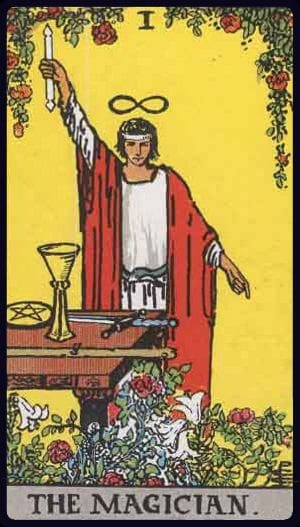
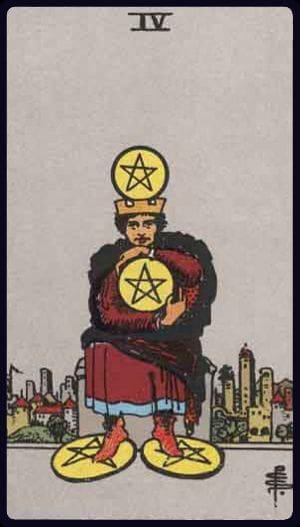
That distinction matters because it changes how you read the cards. If a spread is full of Major Arcana, the reading often speaks to something deeper or more defining. If Minor Arcana dominates, the message usually lives closer to daily life, choices, habits, and immediate circumstances.
What is the difference between the Major Arcana and Minor Arcana?
The difference is simple once you see it.
The Major Arcana contains 22 cards, from The Fool to The World. These cards often point to major transitions, inner development, spiritual questions, and moments that feel meaningful or hard to ignore.
The Minor Arcana contains 56 cards divided into four suits: Cups, Pentacles, Swords, and Wands. These cards usually describe the texture of ordinary life. They speak through relationships, work, conflict, emotion, energy, and routine.
So when people ask about major arcana vs minor arcana, they are really asking one thing: is this reading about a larger life lesson, or is it about the day-to-day expression of that lesson?
In practice, both matter. Life is made of big turning points and small repeated actions. Tarot reflects both.
Why the distinction matters for beginners
Beginners often assume the Major Arcana is “important” and the Minor Arcana is less valuable. That sounds logical. It is also misleading.
The Major Arcana may carry a bigger symbolic charge. However, the Minor Arcana is where much of real life actually happens.
A breakup might appear through The Tower or Death. Yet the emotional aftermath may show up in the Five of Cups. A career shift may appear through The Fool or The Wheel of Fortune. Still, the actual workload, anxiety, or effort may come through Pentacles and Wands.
That is why major arcana vs minor arcana should not be treated as dramatic versus boring. A better contrast is this:
- Major Arcana shows the deeper chapter
- Minor Arcana shows how that chapter feels on the ground
- Major Arcana points to meaning
- Minor Arcana points to lived experience
Seen that way, the deck becomes much easier to read.
What the Major Arcana usually represents
The Major Arcana often marks the bigger story.
These cards tend to appear when a reading touches identity, purpose, change, surrender, maturity, power, fear, trust, or transformation. They can feel archetypal, almost like they describe a stage in a person’s inner life rather than a single event.
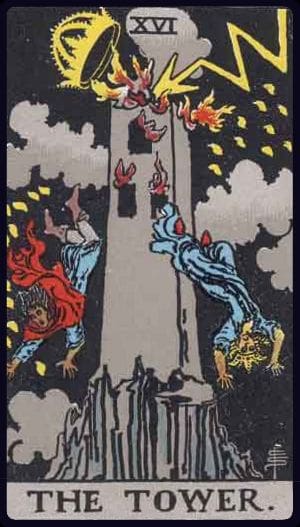
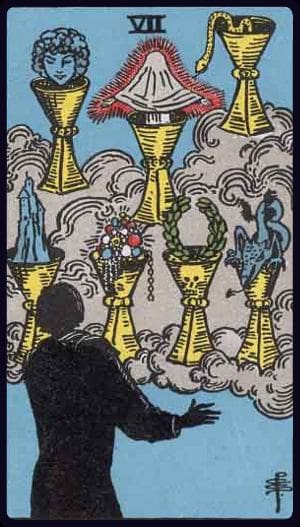
For example:
- The Fool can point to a leap into the unknown
- The Lovers can raise questions about alignment and choice
- The Hermit can suggest withdrawal, reflection, or inner guidance
- Death can signal an ending that clears space for something new
- The Star can point to renewal, hope, and quiet healing
Still, the Major Arcana is not only about fate. That is a common misunderstanding. These cards do not mean your path is fixed. Rather, they often suggest that a moment carries more weight, more developmental pressure, or more meaning than usual.
So when you think about major arcana vs minor arcana, the Major Arcana is less about spectacle and more about depth.
What the Minor Arcana usually represents
The Minor Arcana shows life in motion.
These cards describe what people do, feel, avoid, build, say, lose, and repeat. Because of that, they are often easier to connect to everyday reality.
Each suit has its own domain:
- Cups deal with emotion, relationships, intuition, and vulnerability
- Swords deal with thought, conflict, truth, stress, and decision-making
- Wands deal with energy, desire, momentum, work, and creative drive
- Pentacles deal with money, body, routine, stability, and practical life
The numbered cards show movement or development within a theme. The court cards often reflect personality styles, social roles, or ways of approaching a situation.
This is where major arcana vs minor arcana becomes useful for actual readings. The Major Arcana may tell you what kind of chapter you are in. The Minor Arcana shows how that chapter is unfolding through real actions and emotions.
What it looks like in practice
A reading with mostly Major Arcana often feels weighty. Something fundamental may be shifting. You may be confronting a truth you can no longer avoid. Or you may be stepping into a new phase of life.
A reading with mostly Minor Arcana usually feels more immediate. It may focus on communication problems, work stress, uncertainty in a relationship, burnout, timing, or conflicting priorities.
Neither is better.
In fact, a balanced reading is often the most useful. It can show both the larger lesson and the practical situation around it. That combination helps a person reflect without drifting into abstraction.
A real-life example of major arcana vs minor arcana
Maya had just left a steady job and started freelancing. She pulled three cards because she felt both excited and unsettled. The cards were The Fool, Two of Pentacles, and Nine of Swords.
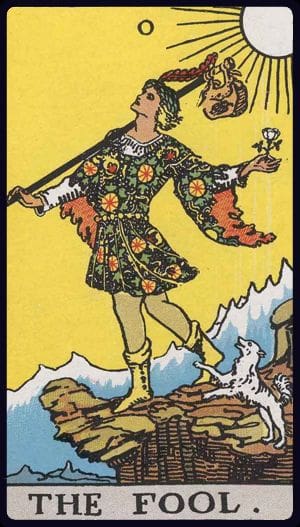
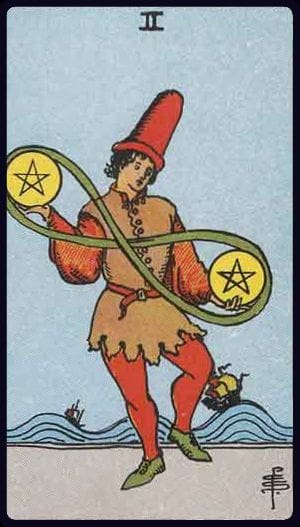
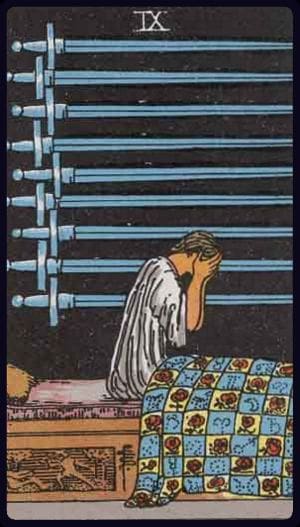
At first, she focused on The Fool. She took it as a sign that quitting had been the right move. The card seemed bold and reassuring, so she leaned into that story.
Then she looked at the other two cards. Two of Pentacles showed instability, juggling, and constant adjustment. Nine of Swords showed anxiety, sleeplessness, and mental overload. Suddenly the reading felt more honest.
The larger theme was real. She was entering a new chapter. However, the daily experience of that chapter was messy, uncertain, and emotionally demanding. The reading did not tell her she had made a mistake. Instead, it showed both the promise and the pressure of the moment.
What that example reveals:
- The Major Arcana card named the deeper life shift
- The Minor Arcana cards described the actual human experience of living through it
- Together, the cards gave a fuller and more grounded message
That is the real value of understanding major arcana vs minor arcana.
One common misunderstanding
A common mistake is to read Major Arcana cards as “more serious” and Minor Arcana cards as background noise.
That approach weakens a reading.
Sometimes the most useful guidance comes from a Minor Arcana card because it names the exact pattern causing friction. A Seven of Swords may reveal avoidance. A Four of Pentacles may show defensiveness. A Page of Cups may suggest emotional openness that has not yet matured.
Meanwhile, a Major Arcana card can stay broad unless the surrounding cards give it shape.
So the real skill is not deciding which group matters more. The skill is learning how they speak to each other.
When this distinction helps most
The distinction helps when a reading feels vague.
If you ask about a relationship and pull mostly Major Arcana, the issue may go beyond the surface problem. There may be a deeper lesson about choice, attachment, identity, or growth.
If you ask the same question and pull mostly Minor Arcana, the answer may be more practical. Maybe the issue is mixed signals, poor timing, resentment, fear, or a lack of honest conversation.
In other words, major arcana vs minor arcana can help you locate the level of the reading. Is the message about the soul of the situation, or about the mechanics of it?
Usually, it is some mix of both. Still, knowing the difference keeps you from flattening everything into one tone.
How to work with this in a real reading
You do not need a complex method.
Start here:
- Notice whether Major Arcana or Minor Arcana dominates the spread
- Ask whether the reading feels more developmental or more situational
- Look at how the Minor Arcana supports, grounds, or complicates the larger message
- Pay attention to repeated suits, because they show where the energy gathers
- Read the Major Arcana as themes, and the Minor Arcana as lived details
That simple framework makes major arcana vs minor arcana much easier to use.
It also keeps the reading human. Not every problem is destiny. Not every hard week is a profound spiritual lesson. Sometimes a reading is really about workload, timing, communication, or emotional habits. And sometimes those ordinary struggles sit inside a much larger turning point.
Reflection questions for beginners
A few simple questions can deepen the reading:
- Does this spread feel like a bigger life chapter or a passing situation?
- Which cards describe the emotional reality of the moment?
- Which card seems to name the lesson underneath the events?
- Am I focusing too much on the dramatic card and ignoring the practical ones?
- What would change if I treated the Minor Arcana as seriously as the Major Arcana?
Questions like these turn major arcana vs minor arcana from a memorization task into a reading practice.
Suggested reading
- How to Shuffle Tarot Cards and Ask a Clear Question
- How Many Cards Should You Pull in a Tarot Reading?
- The Best First Tarot Spreads for Beginners
Frequently asked questions
Is the Major Arcana more important than the Minor Arcana?
Not exactly. The Major Arcana often points to deeper themes, but the Minor Arcana shows how life is actually being lived.
Can you do a good reading with only Minor Arcana cards?
Yes. In many cases, a Minor Arcana-heavy reading is more practical, specific, and immediately helpful.
What does it mean if a spread has a lot of Major Arcana cards?
It often suggests a meaningful phase, inner shift, or larger life lesson. The moment may carry more weight than usual.
Do beginners need to memorize all 78 cards right away?
No. First, understand the structure of the deck. That is why learning major arcana vs minor arcana helps so much in the beginning.
Are court cards part of the Minor Arcana?
Yes. The Pages, Knights, Queens, and Kings belong to the Minor Arcana and often represent people, roles, or ways of moving through a situation.
Understanding major arcana vs minor arcana does not make tarot rigid. It does the opposite. It gives you a simple way to tell whether a reading points to a larger life lesson, an everyday challenge, or both at once. Once that distinction clicks, the deck starts to feel less mysterious and more readable. And for most beginners, that is when tarot becomes genuinely useful.